Blog
Tutorials, methodology guides, and deep dives into financial data visualization.
How do I embed an interactive chart in Carrd?
Carrd's Embed element takes a chart iframe on Pro Standard and above. The plan gate, the blank box in the builder, and how to size it.
Where to get free Treasury yield curve data
Two official, free sources for US Treasury yields, why they show the same numbers, and the file quirks that break a first attempt at charting them.
How to calculate RBA rate probabilities from cash rate futures
The ASX formula for RBA rate odds, done by hand: the effective-date day count, the cash rate differential, and chaining two meetings.
How to calculate a Z-spread
The Z-spread solve step by step on the 22 Sep 2026 Treasury curve, plus the two ways a Z-spread chart moves without the credit moving.
How to calculate an earnings expected move from the straddle
The earnings expected move from the at-the-money straddle, and why the popular 0.85 rule draws a coin-flip band rather than a one standard deviation band.
How to make an iframe chart embed responsive
Width is one line of CSS. Height is the hard part: fixed aspect ratios, the postMessage pattern Datawrapper uses, and when neither is available.
How to chart bond duration and convexity
Reprice the bond across a yield range and plot three lines: the true curve, the duration tangent, and the duration-plus-convexity parabola.
How to chart roll yield
Roll yield charted as a time series: the formula, the sign convention you have to declare, and the two ways the contract calendar fakes a signal.
How do I embed an interactive chart in PowerPoint or Google Slides?
Neither one takes an iframe. What Slides and PowerPoint really support, and why a board pack should carry a frozen image anyway.
How to build a continuous futures chart
Stitching contracts leaves a fake return at every roll. What difference and ratio adjustment each fix, what each destroys, and how to choose.
How to chart a risk/return scatter
Annualized volatility against compound return, one point per fund. The axis choice that flips the ranking, and why it is not an efficient frontier.
How do I embed an interactive chart in Google Sites?
Insert, then Embed, then the Embed code tab. The two traps are viewer access on a domain-restricted site and a frame that will not resize itself.
How to chart gamma exposure (GEX)
Gamma exposure is not a field in an options chain. You compute the gamma, sign it with an assumption about dealers, and scale it to dollars per 1 percent move.
How to chart a performance attribution waterfall
An attribution waterfall has one job: bridge the benchmark return to the portfolio return with bars that sum exactly. Most write-ups teach the Brinson algebra and skip the chart.
How do I embed an interactive chart in a LinkedIn newsletter?
You cannot. LinkedIn articles accept embeds only from an approved provider list and reject third-party code outright, so the working pattern is a static image plus a link.
How do I put a chart in an email that survives Outlook and Gmail?
Email clients strip iframes and JavaScript, so an interactive chart cannot be embedded in one. The working pattern is a frozen image plus a link, and finance charts get it wrong in specific ways.
How to chart IV rank and IV percentile
IV rank and IV percentile are defined everywhere and charted almost nowhere. Building the series exposes what the single number hides, including a step that moves the line with no change in today's volatility.
Where to get free options chain data
The honest answer on free options chain data: what yfinance, Cboe and the free vendor tiers actually give you, and the four requirements that decide which one can draw your chart.

How to Embed Airtable Data in Squarespace
Embed Airtable data in Squarespace, from a quick shared-view iframe to a publication-ready chart. Step-by-step setup, responsive fixes, and refresh tips.
How to chart a Calmar ratio
Calmar is CAGR divided by the worst drawdown over the same window. Charted, it moves in steps rather than curves - and the window mismatch is the error that inflates it.
How to chart a box plot of monthly returns
A returns box plot groups monthly returns by calendar month and shows the spread, not the single value. Keep months in calendar order, draw the zero line, and count n.
How do I embed an interactive chart in SharePoint?
Use the Embed web part on a modern SharePoint page. The catches: iframe only, HTTPS only, an admin-controlled domain allow-list, and sizing that is entirely on you.
How to calculate Bank of Japan rate probabilities from TONA futures
No consumer BoJ FedWatch exists. Derive rate-hike odds from 3-Month TONA futures - day-weight the meeting, and separate the two meetings a quarterly contract can straddle.
How to chart a rolling Sortino ratio
The Sortino swaps total volatility for downside deviation - which divides by the full sample, not the count of down periods. Chart it rolling, beside the Sharpe.
How do I embed an interactive chart in Confluence?
Use Confluence's Iframe macro for a live chart - but mind the version differences, iframe sizing, domain allowlisting, and the admin-controlled HTML macro.
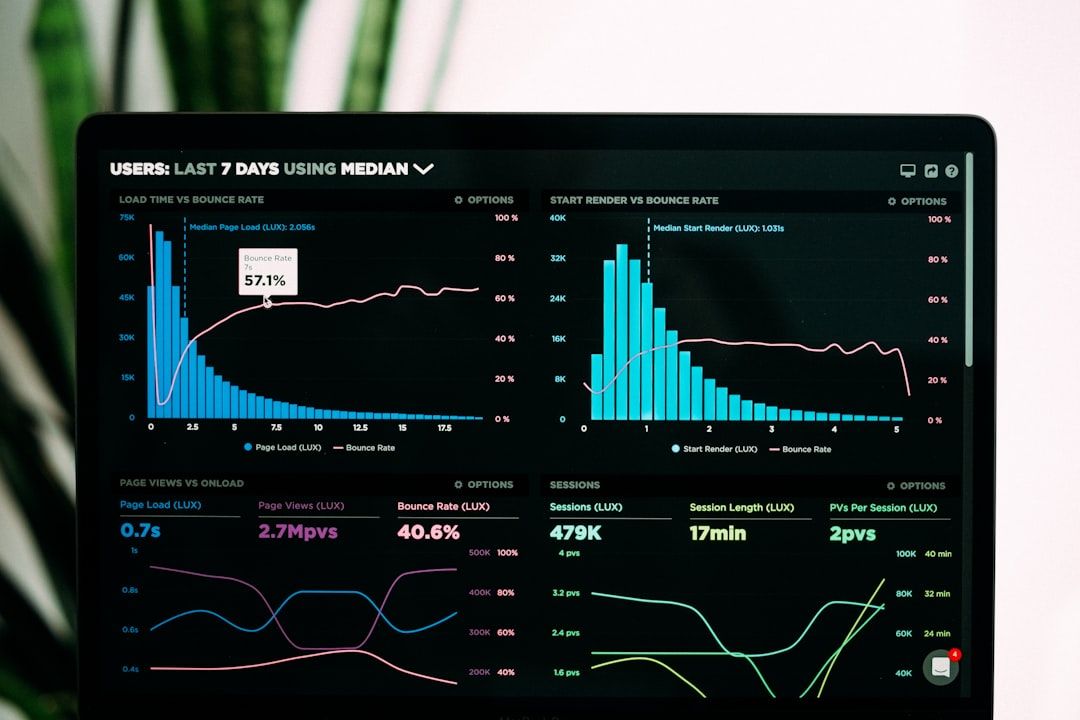
How to Embed Airtable Data in WordPress
How to embed Airtable data in WordPress step by step — the quick Custom HTML method, a five-step setup, and a better way to show numbers as a chart.
How to chart a monthly returns heatmap
Build a year-by-month grid of returns with a compounded full-year column, colour it with a diverging scale fixed at zero, add average and win-rate rows - and read it as history, not a seasonal forecast.
How to chart a QQ plot of returns to test for normality
Sort your returns, plot them against normal theoretical quantiles with a 45-degree line, and read the tails: an S-shape means fat tails and a dip on the left means negative skew - the reason a normal-based VaR understates risk.
How do I embed an interactive chart in HubSpot?
Embed a chart's iframe on a HubSpot page with the Rich text Insert-Embed option or a dedicated Embed module - then size it responsively, serve it over HTTPS, and publish before judging, because the editor preview shows blank.
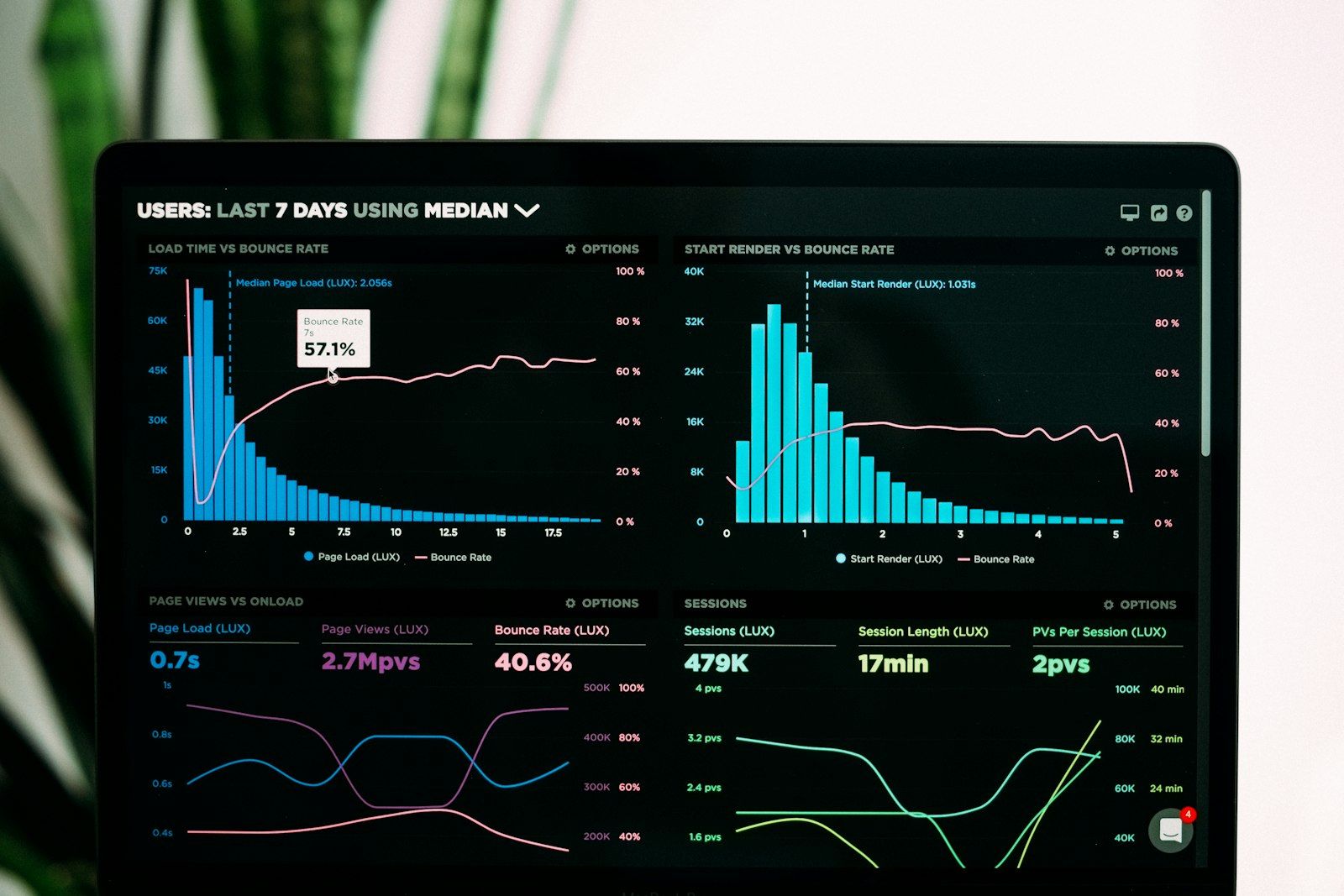
How to Embed Google Sheets Data in Squarespace
Embed Google Sheets data in Squarespace, from a quick code-block iframe to a publication-ready chart. Step-by-step setup, responsive fixes, refresh tips.
How to chart a return distribution with a Value-at-Risk cutoff
Bin returns into a histogram, overlay a same-mean normal to show fat tails, and draw the Value-at-Risk line at the loss percentile - then shade the tail for Expected Shortfall.
How to chart a rolling beta against the market
A single beta hides how market sensitivity drifts. Compute cov(asset, market) / var(market) over a rolling window, draw the beta = 1 line, and name the benchmark.
How do I embed an interactive chart in Wix?
Add an Embed element, choose Embed a Widget, and paste your chart's iframe - then set the box height and size it again in Wix's separate mobile editor.
How to Embed Google Sheets Data in WordPress
Embed live Google Sheets data in WordPress, from a quick iframe to a publication-ready chart. Step-by-step setup, responsive fixes, and refresh options.
How to chart a rolling correlation between two assets
A rolling correlation shows when a relationship broke, not just its long-run average. Correlate returns, fix the axis to -1..+1, label the window, and watch pairs like stocks and bonds flip regime.
How to chart a rolling Sharpe ratio over time
A rolling Sharpe shows when risk-adjusted return decayed, which a headline number hides. Annualise by the square root of time (not time), use a 252-day window, and draw the zero line.
How do I embed an interactive chart in Framer?
Embed a chart in Framer with the Embed element's HTML option and paste the iframe. The step most miss: size it explicitly and make it responsive, because an iframe will not resize itself.
How to build a correlation matrix heatmap for a portfolio
A correlation heatmap shows where your diversification actually is. Correlate returns not prices, use a diverging scale fixed to -1..+1, and remember the matrix is one moment in time.
How to calculate ECB rate probabilities from ESTR futures
There is no official ECB FedWatch, so build the number from ESTR futures. A worked example for the 24 July 2026 meeting, the Euribor basis trap, and the ESTR-deposit-rate spread.
How do I embed an interactive chart in Squarespace?
Paste the chart's iframe into a Squarespace Code Block, not an Embed Block. The catch most guides skip: iframes are disabled on the Personal plan. Plus a responsive wrapper that survives mobile.
How to Embed Airtable Data in Webflow
How to embed Airtable data in Webflow step by step — the quick iframe method, a clean five-step setup, and a better way to show numbers with a real chart.
How do I embed an interactive chart in WordPress?
Embed an interactive chart in WordPress with a Custom HTML block. The three real methods, the responsiveness gotcha, and why your snippet sometimes vanishes on save.
How to chart maximum drawdown with an underwater equity curve
The underwater equity curve shows how far below its last peak a portfolio sits at every point. One running-max formula, a tiny example, and the 2022 S&P 500 drawdown worked in full.
How to calculate Bank of England rate probabilities from SONIA futures
No Bank of England FedWatch exists, so build the number from SONIA futures yourself. A worked example for the 18 June 2026 meeting, the SONIA spread, and the contract trap to avoid.

How to Embed Google Sheets Data in Webflow
Embed live Google Sheets data in Webflow, from a quick iframe to a publication-ready chart. Step-by-step setup, responsive styling, and refresh options.
How to Embed a KPI Dashboard in Webflow
A step-by-step guide to embedding a live KPI dashboard or data table in Webflow using Quadesto—no plugins, just one embed snippet.
How do I embed a chart in a Webflow site?
Quadesto embeds work perfectly with Webflow. Build fund factsheets, IR pages, and financial dashboards.
How to build a candlestick chart with volume profile
Build OHLCV candlestick charts with volume profile from raw market data, without paying for Sierra Chart.
How to chart equity put/call ratio over time
Build a put/call ratio chart from CBOE data covering equity, index, and total PCR with smoothing overlays.
We recreated the CBOE SKEW index visualisation
The CBOE SKEW index measures tail risk. We built an interactive version with explanatory walkthrough.
How to chart implied volatility term structure
Show IV term structure in contango and backwardation around earnings events. With interactive Quadesto charts.
How do I embed an interactive chart in Notion?
Notion supports iframe embeds perfectly. Show finance dashboards in internal research pages.
How to chart inflation breakevens
Tutorial covering 5Y, 10Y, and 5Y5Y forward breakevens from TIPS spreads, with live Quadesto charts.
We rebuilt Bloomberg's WIRP screen as a free embed
Bloomberg's World Interest Rate Probability screen is one of their most-used features. We made it free and embeddable.
How to read a CFTC Commitment of Traders report
Tutorial covering Commercial, Non-Commercial, and Non-Reportable positioning. With Quadesto charts from free CFTC data.
How to visualise a yield curve inversion
Modern inversion chart with historical recession overlays and a live 10Y-2Y spread tracker.
How do I embed a chart in a Ghost newsletter?
Ghost is friendlier to embeds than Substack. Here's the full range of chart embedding options.
We recreated the Atlanta Fed's Market Probability Tracker — and it's way more interactive
Walk through the SOFR options-based probability distribution methodology. Then try our interactive rebuild.
How to chart credit spreads over time
Build IG/HY spread charts from FRED's free data, with an interactive Quadesto version readers can explore.
How do I embed an interactive chart in a Beehiiv post?
Beehiiv has fewer native integrations than Substack. Here's how to embed interactive financial charts.
How to build a futures forward curve chart
Show contango vs backwardation with real crude oil curves. Covers data fetch, curve construction, and slope interpretation.
How to chart options open interest by strike
Tutorial covering OI vs volume, calls vs puts side-by-side, max-pain calculation, and a live Quadesto chart from any options CSV.
Datawrapper alternatives for finance newsletters
Honest comparison for finance writers evaluating Datawrapper Custom ($599/mo). Where Quadesto fits as the £149/mo middle-ground.
How to read an options volatility smile
Visual-first explanation with worked examples across equity, FX, and commodity options. Each smile shape tells a different story.
How do I embed a Datawrapper chart in a Substack post?
Step-by-step Datawrapper-Substack workflow, plus what to do when you need finance-specific charts Datawrapper can't make.
How to plot a volatility surface from an options chain
From concept to interactive 3D visualization — without writing Python. Covers smile, skew, term structure, and SVI fitting.
How do I embed a financial chart in a Substack post?
All methods compared: Substack native TradingView, Datawrapper, and Quadesto for finance-specific charts.
How to build a yield curve chart from US Treasury data
Step-by-step from Treasury.gov CSV to a publication-ready yield curve chart with monotone convex interpolation.
How to calculate fed funds rate probabilities from futures prices
A worked example using current ZQ futures prices, with Excel formulas and Python code. Then skip the calculation with Quadesto.
We rebuilt the CME FedWatch tool in 24 hours — here's the methodology
A complete walkthrough of the FedWatch probability tree algorithm with worked examples, Python pseudocode, and a live Quadesto demo.